
Your shopping cart
😊 Product added to cart successfully
Product removed to cart successfully


Availability: Low stock 5 left
Couldn't load pickup availability
All orders are processed, packaged, and shipped during Weekdays from Monday-Thursday, via UPS 2nd Day Air and UPS Next Day Air.
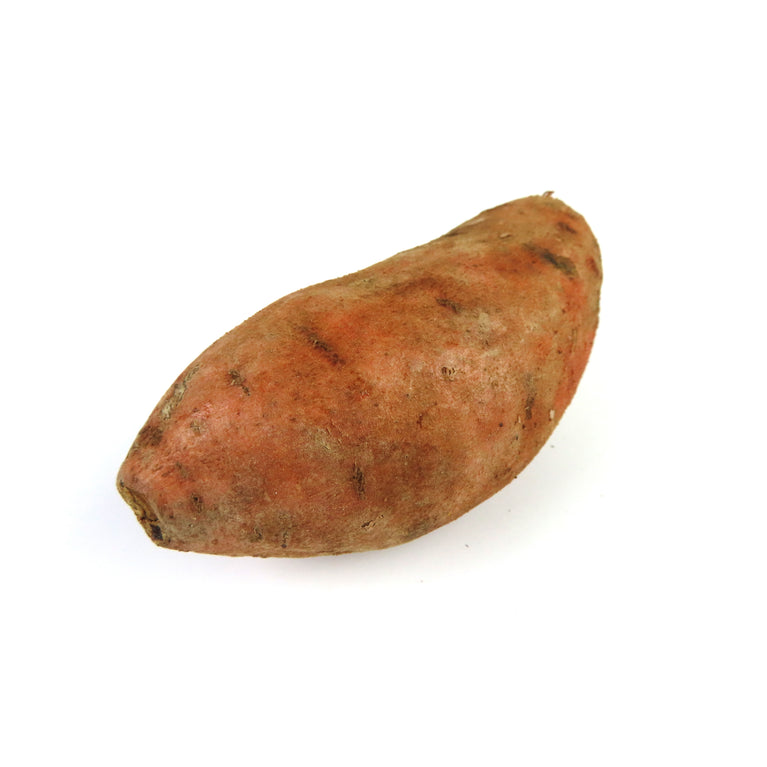
sweet potatoes are typically recognized by their copper-colored skin and vibrant orange flesh, though the hundreds of varieties grown worldwide display colors such as white, cream, yellow, reddish-purple, and deep purple. Although they are often found on holiday tables covered in marshmallows or mixed with added sweeteners, there’s no need! True to their name, sweet potatoes have a naturally sweet flavor, which is further enhanced through cooking methods like roasting. They are also one of the top sources of beta-carotene—a precursor to vitamin A. Unlike a potato (edible tubers of the nightshade family), the sweet “potato” is a large edible root within the morning glory family. They’re also different from yams, which are edible tubers within the lily family and native to Africa and Asia. Chances are the “yams” found in your local supermarket are actually a variety of sweet potato. True yams are distinguishable by their blackish/brown, bark-like skin and white or purple-toned flesh. Source Of Vitamin A in the form of beta-carotene Vitamin B6 Vitamin C Potassium Fiber.
