
Your shopping cart
😊 Product added to cart successfully
Product removed to cart successfully


Availability: Out of stock
Couldn't load pickup availability
All orders are processed, packaged, and shipped during Weekdays from Monday-Thursday, via UPS 2nd Day Air and UPS Next Day Air.
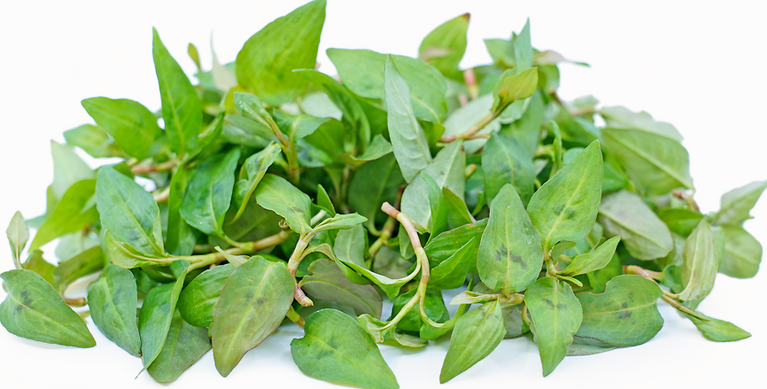
Rau Ram, known botanically as a variant within the genus Ocimum and often linked with traditional South Asian herbs, is a perennial herb that thrives in the warm, humid climates of the Indian subcontinent and surrounding regions. Typically, this herb is characterized by its vibrant green, aromatic leaves that release a distinct scent when bruised or crushed. The plant often reaches a height of 1 to 2 feet, featuring a bushy growth habit with sprawling stems and ovate leaves that are both glossy and tender.
The flowers of Rau Ram are small and delicate, usually appearing in clusters atop the stems during the early summer months. Their light coloration—often a mix of white and pale purple—adds a subtle ornamental quality to this otherwise primarily aromatic herb. Rau Ram grows best in well-drained, loamy soils enriched with organic matter and prefers a mix of sun and partial shade. This adaptability allows it to flourish in home gardens as well as in its natural wild habitats, such as riverbanks, meadows, and areas near human settlements where moisture and warmth are readily available.
Historically, local populations have long appreciated Rau Ram for both its culinary and medicinal uses. Indigenous communities traditionally foraged for its leaves to enrich their diets and prepare herbal infusions. These infusions were reputed to boost energy levels, aid digestion, and even address minor infections and inflammations. The cultural significance of Rau Ram is further underscored by its frequent appearance in regional folklore and traditional healing practices, where it is often associated with rejuvenation and vitality.
